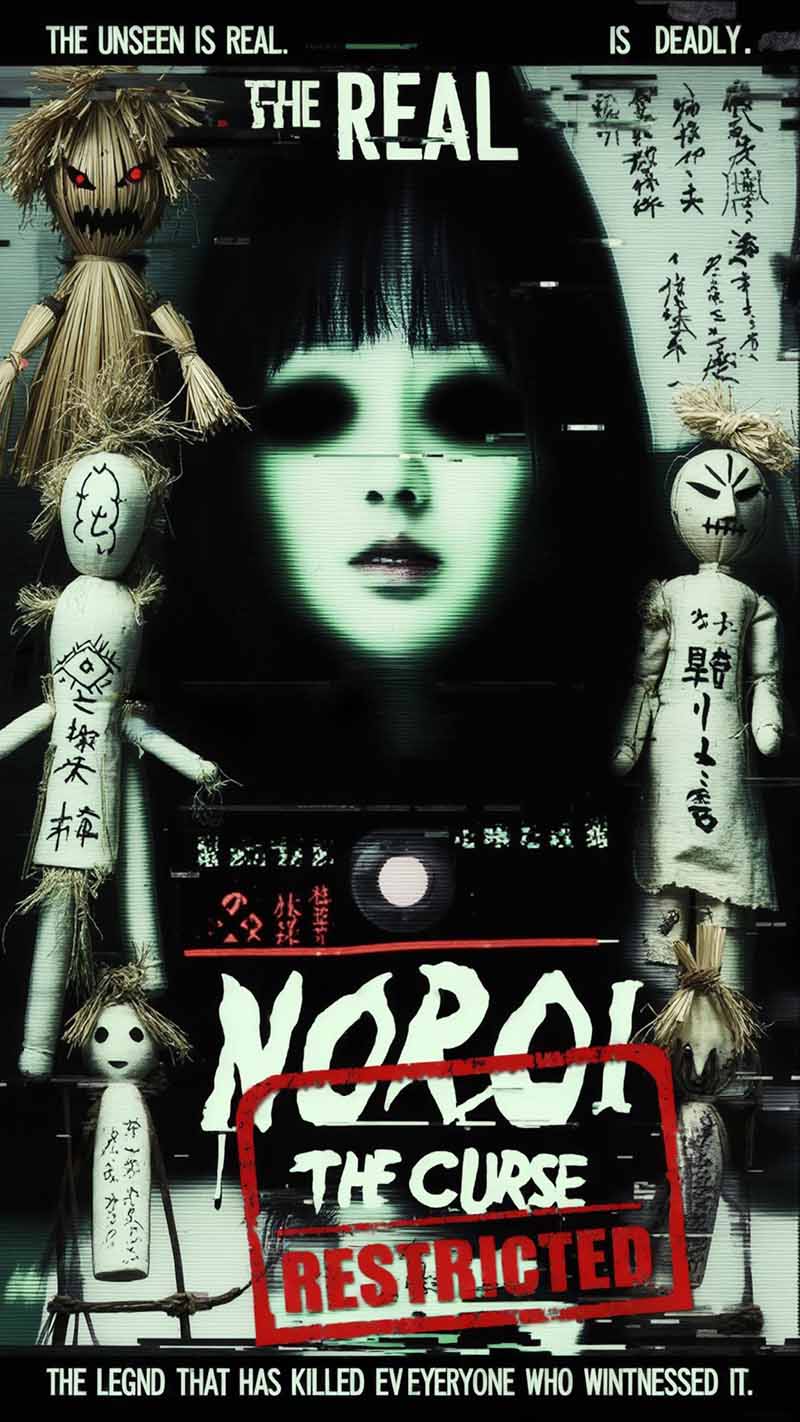
Expanding the Boundaries of Extreme Cinema: Volume 3
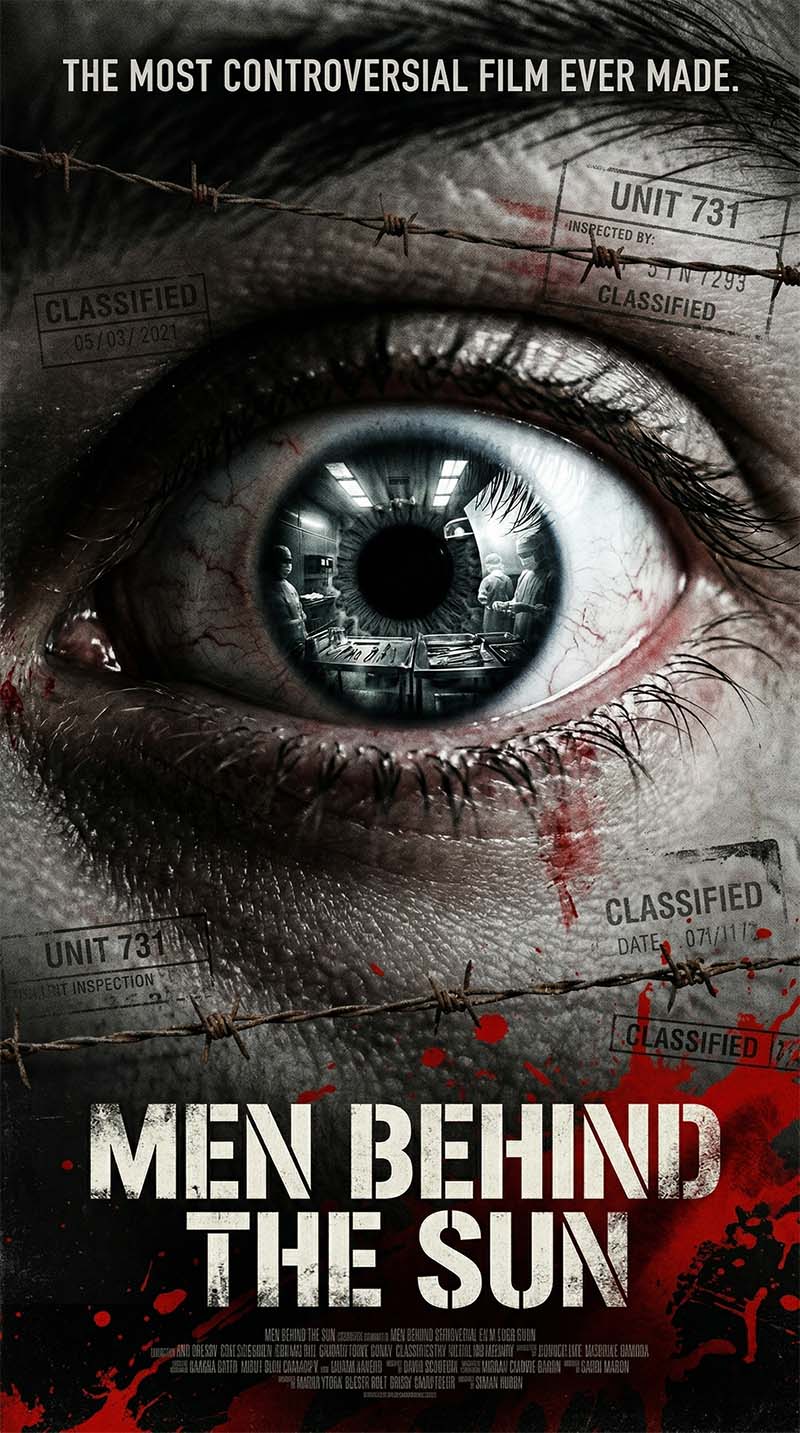
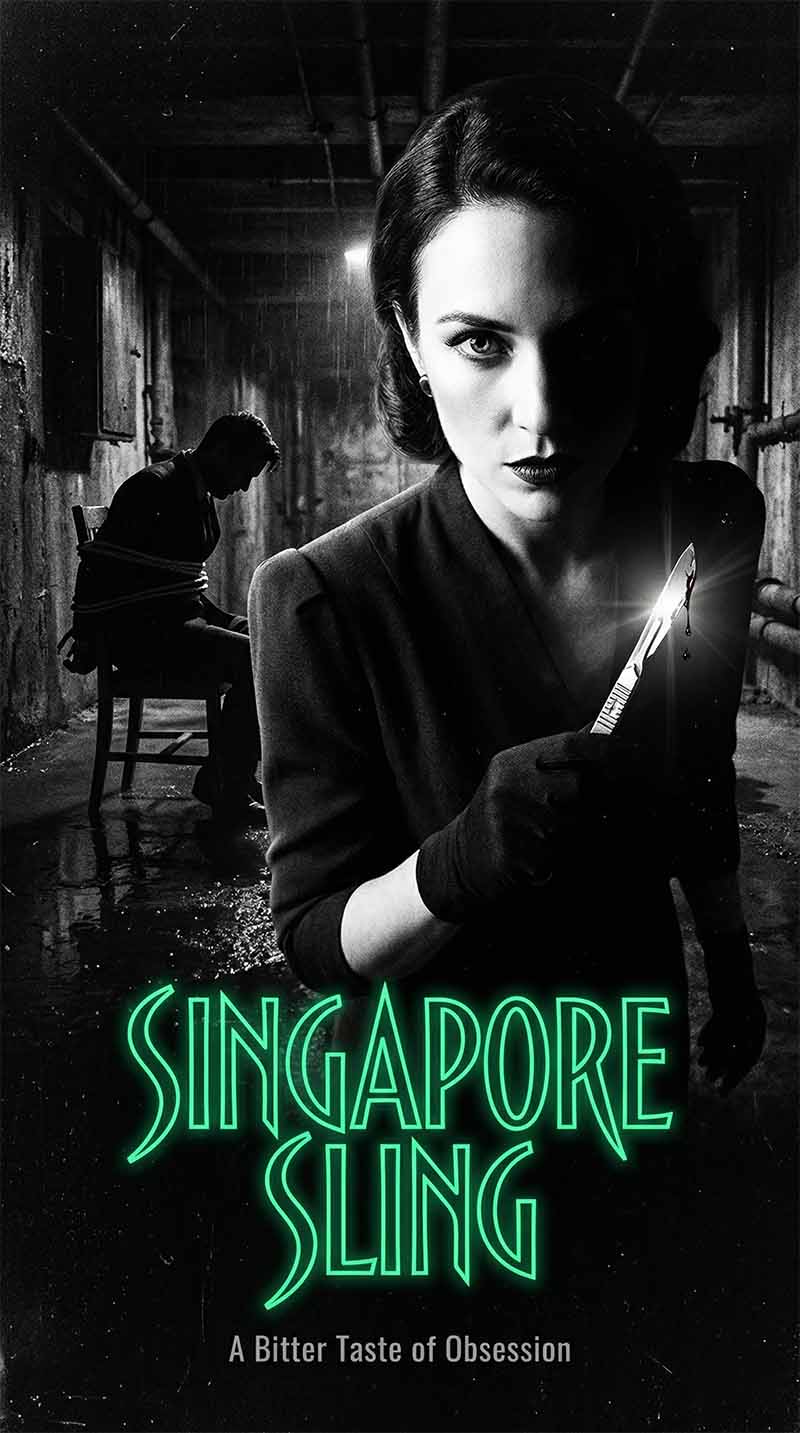
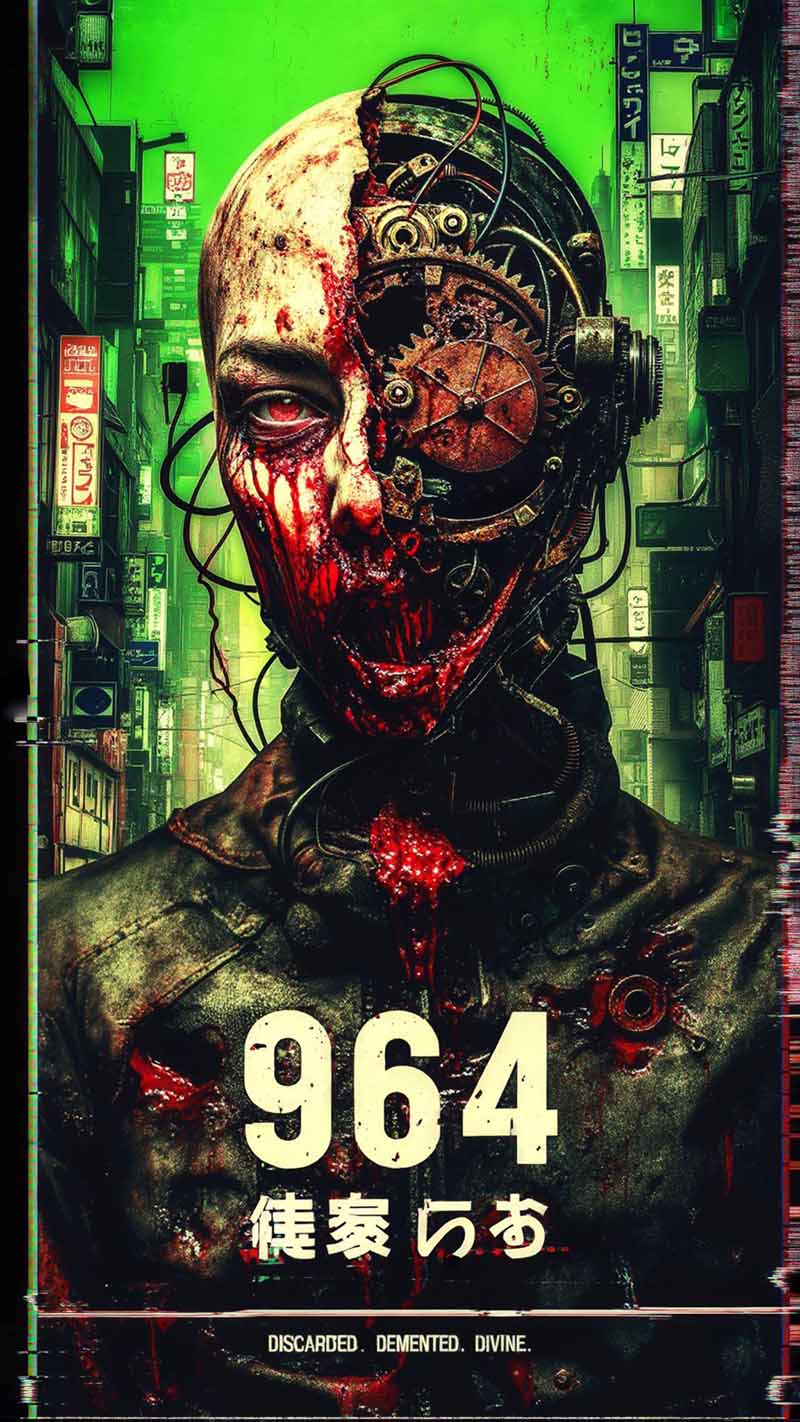
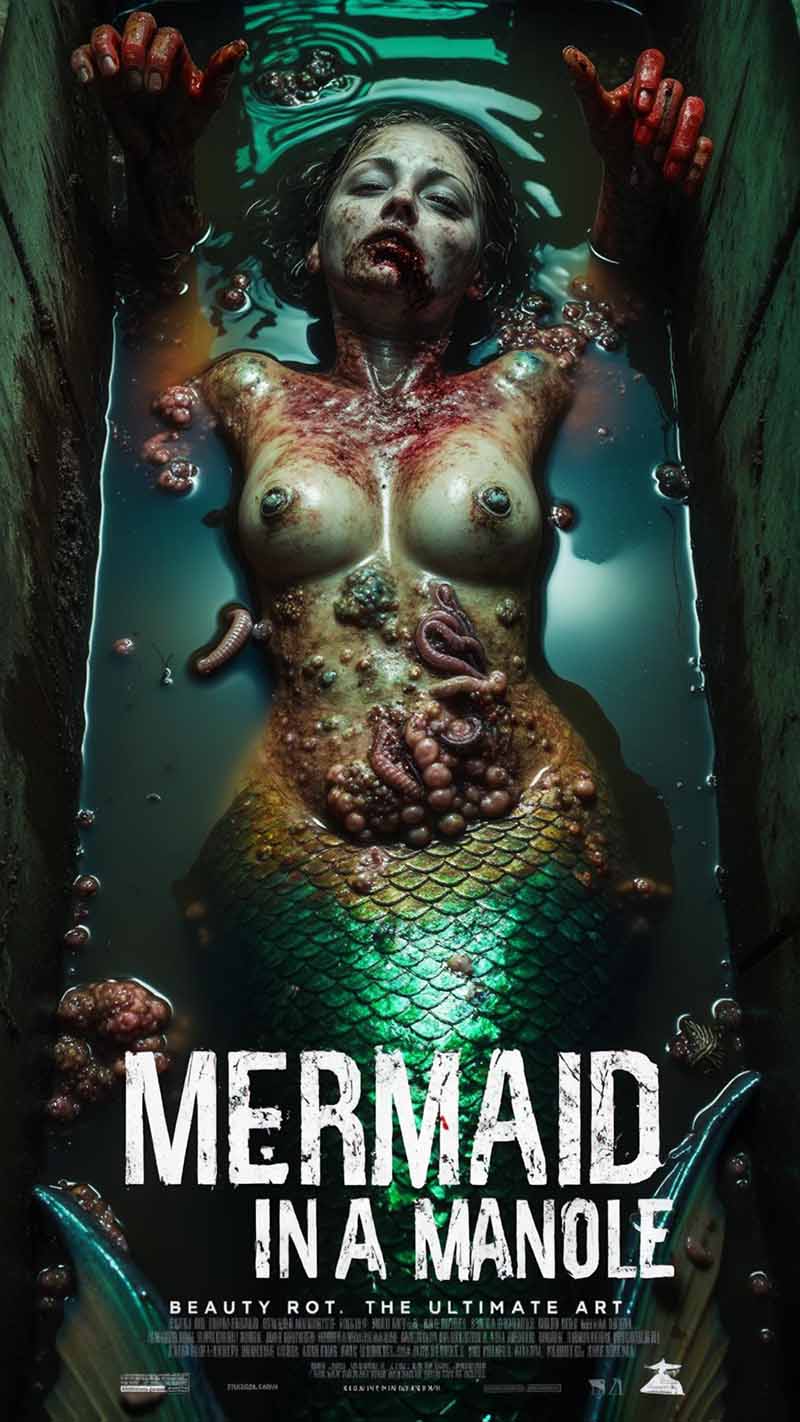
Welcome to Volume 3 of our Top Rated Transmissions archive, where the cinematic language is pushed to its absolute breaking point. While mainstream cinema often utilizes violence as a cheap thrill or a sanitized plot device, the auteurs featured in this specific curation view transgression as a philosophical tool. Sharing The Sickness operates as an information indexing service, dedicating thousands of hours to locating and embedding the finest uncut transmissions of these cinematic landmarks. By curating hyperlinks from non-affiliated third-party servers, we grant cinephiles direct access to works that dare to stare into the abyss of the human condition.
The films in this volume—spanning from the rural isolation of Belgium to the neon-lit desperation of Japan—share a profound connective tissue: they dismantle the illusion of societal safety. Directors like Lars von Trier, Sion Sono, and Fabrice Du Welz do not make movies to comfort you; they craft meticulously shot, narratively complex nightmares designed to aggressively challenge your moral compass.
The Psychological Abyss of Auteur Horror
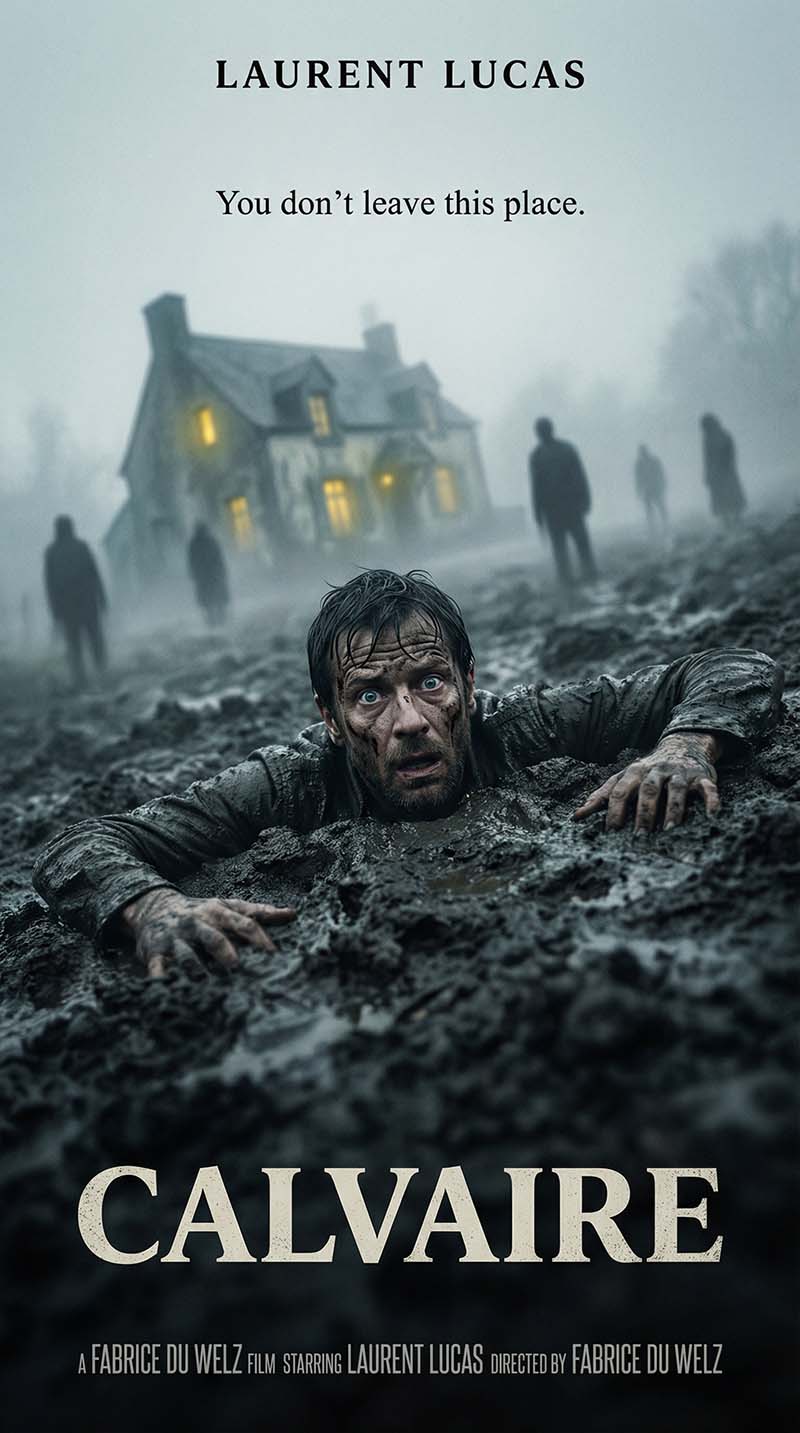
In Calvaire (The Ordeal), Fabrice Du Welz taps into the grim traditions of rural horror but injects it with a uniquely European sense of surreal, agonizing tragedy. What begins as a simple tale of a broken-down van quickly spirals into an exploration of extreme loneliness and madness, punctuated by moments of dark comedy and grotesque affection. Our platform ensures that you can watch the completely uncut embed of this New French Extremity milestone without the burden of regional censorship.
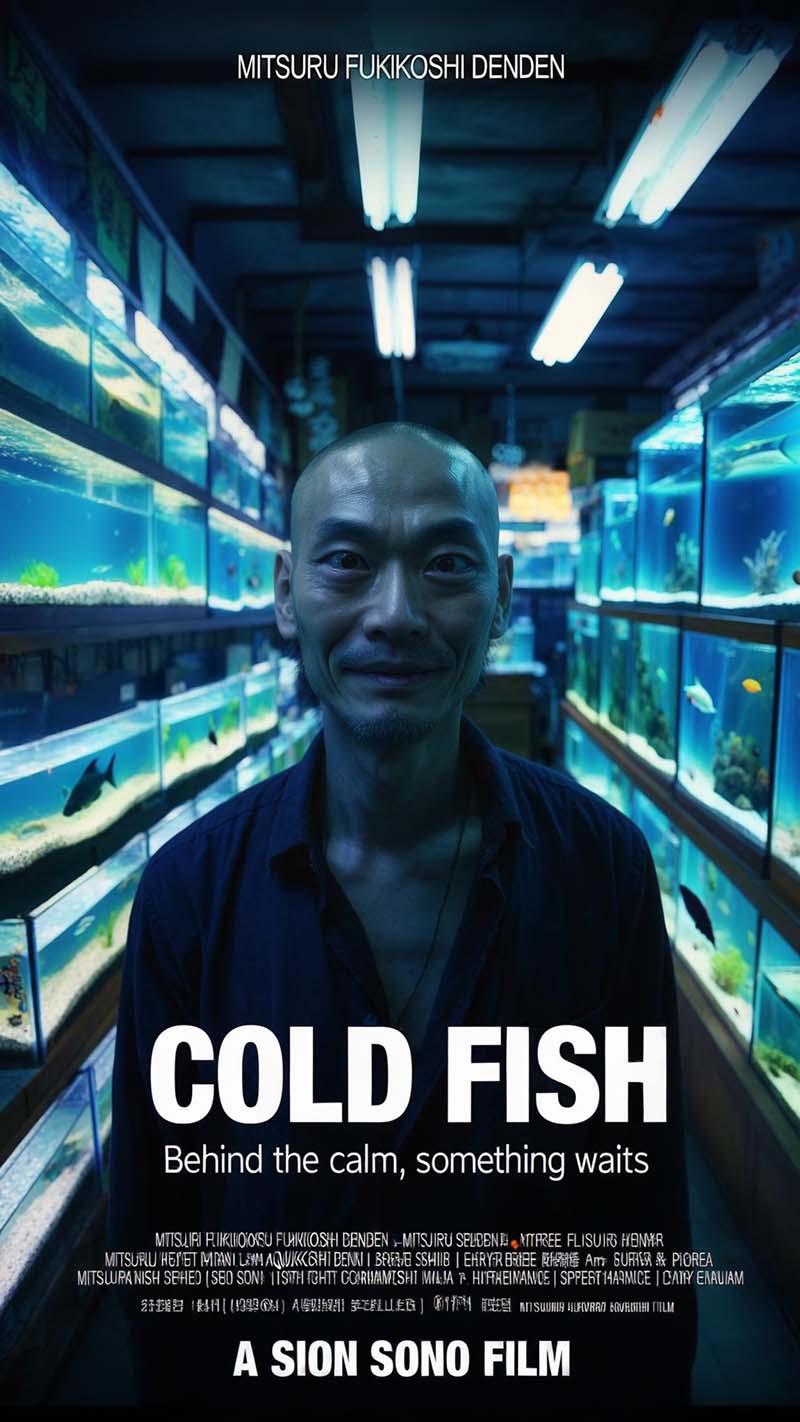
Moving across the globe, Sion Sono's Cold Fish represents the zenith of contemporary Japanese extreme cinema. Loosely inspired by the real-life Saitama dog lover murders, Sono uses a bloody, frantic visual style to critique the emasculation of the modern Japanese patriarch. It is a film that weaponizes gore, using buckets of viscera not merely for shock, but to illustrate the messy, chaotic destruction of a repressed family unit. Finding reliable embeds of Sono's uncut works is notoriously difficult, which is why we proudly curate and embed the definitive broadcast of this masterwork.
💎 Cinematic Diamond: The Cannes Walkout of 2018
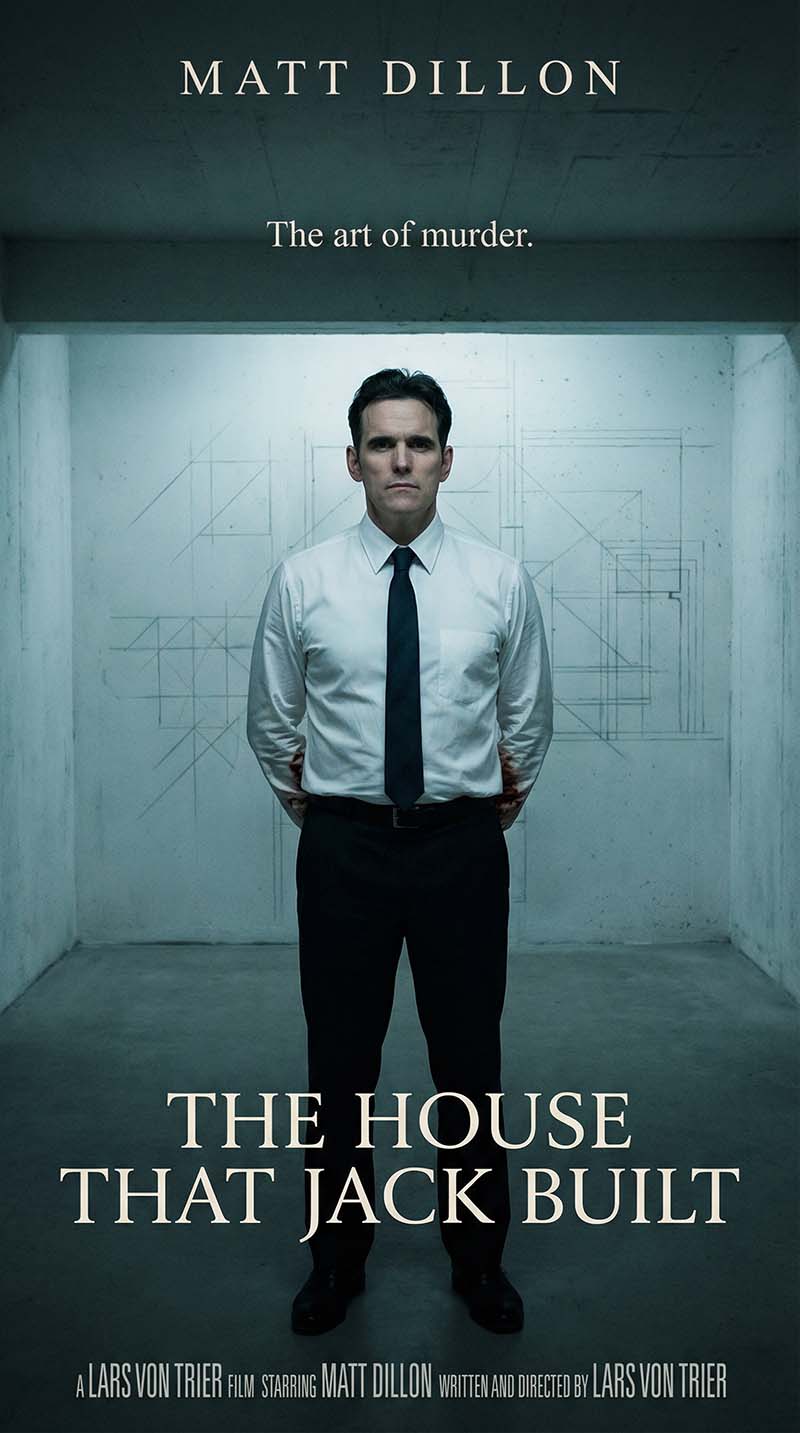
Did you know? Lars von Trier's The House That Jack Built sparked one of the most infamous reactions in recent Cannes Film Festival history. During its out-of-competition premiere in 2018, over 100 audience members, including prominent critics, walked out in absolute disgust during a specific scene involving a sniper rifle and children. However, the film's brilliance lies in its polarization: those who remained in the theater until the screen faded to black gave von Trier a thunderous 10-minute standing ovation. The film operates as a dark, meta-analytical essay on von Trier's own career and the morality of depicting violence in art.
Preserving Uncut Art Through Embedded Curation
The controversy surrounding films like The House That Jack Built often results in heavy-handed censorship by traditional streaming platforms and distribution networks. Entire sequences are excised, dialogue is muted, and the director's original vision is fundamentally compromised. Sharing The Sickness exists as a bulwark against this cinematic erasure.
It is vital to understand that we do not store any video files on our own servers. Our archive functions exclusively as an intelligent aggregator. We scour the web to curate the most pristine, unadulterated embedded links provided by third-party servers. This methodology allows us to provide an uninterrupted, unrated viewing experience. By acting as a digital museum for the macabre and the masterful, we ensure that you can Watch these highly-rated transmissions exactly as they were meant to be witnessed.
Frequently Asked Questions
Where can I watch international extreme cinema masterpieces free online?
You can watch highly acclaimed international and underground extreme cinema on Sharing The Sickness. We operate as an indexing service, curating and embedding high-quality third-party links to give you direct access without any fees.
Is Cold Fish (2010) based on a true story?
Yes. Sion Sono's masterpiece is loosely based on the Saitama dog lover murders of the early 1990s in Japan. The film uses this real-life foundation to explore themes of emasculation and explosive domestic violence.
Are the embedded films in Volume 3 uncut and unrated?
Absolutely. Mainstream platforms frequently censor these pivotal works. Sharing The Sickness curates and embeds only the original, unrated, and uncut broadcasts so the integrity of the director's vision is fully preserved.
Does Sharing The Sickness host these movies?
No. We do not store any files on our servers. Sharing The Sickness is a curated archive that embeds video content provided by non-affiliated third-party platforms.