Radical Realism: When True Crime Escapes Hollywood
The Recommended Signals archive is built on a specific, deeply unsettling cinematic foundation: Radical Realism. While mainstream streaming services mass-produce stylized serial killer documentaries and sanitized true crime dramas, this section of Sharing The Sickness curates films that refuse to compromise the brutal reality of their subject matter. Here, the terror is not manufactured by a scriptwriter; it is drawn directly from police reports, historical records, and psychological case studies.
The Illusion of Mainstream True Crime
Conventional true crime media often relies on a comforting formula: a crime occurs, investigators piece together clues, and the perpetrator is brought to justice. This structure provides the audience with a sense of catharsis and moral order. Radical realism tears this formula apart. The films recommended in this archive depict violence, manipulation, and psychological collapse without the safety net of a Hollywood resolution.
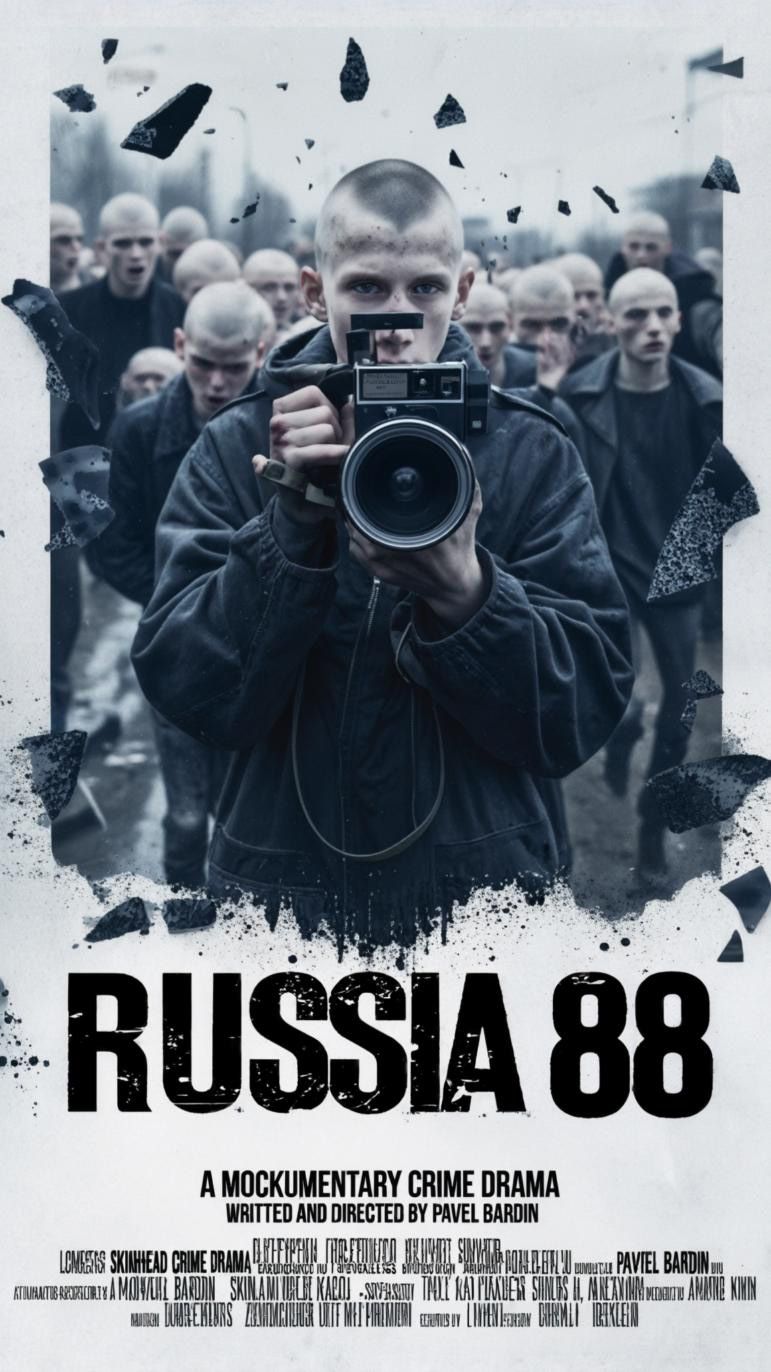
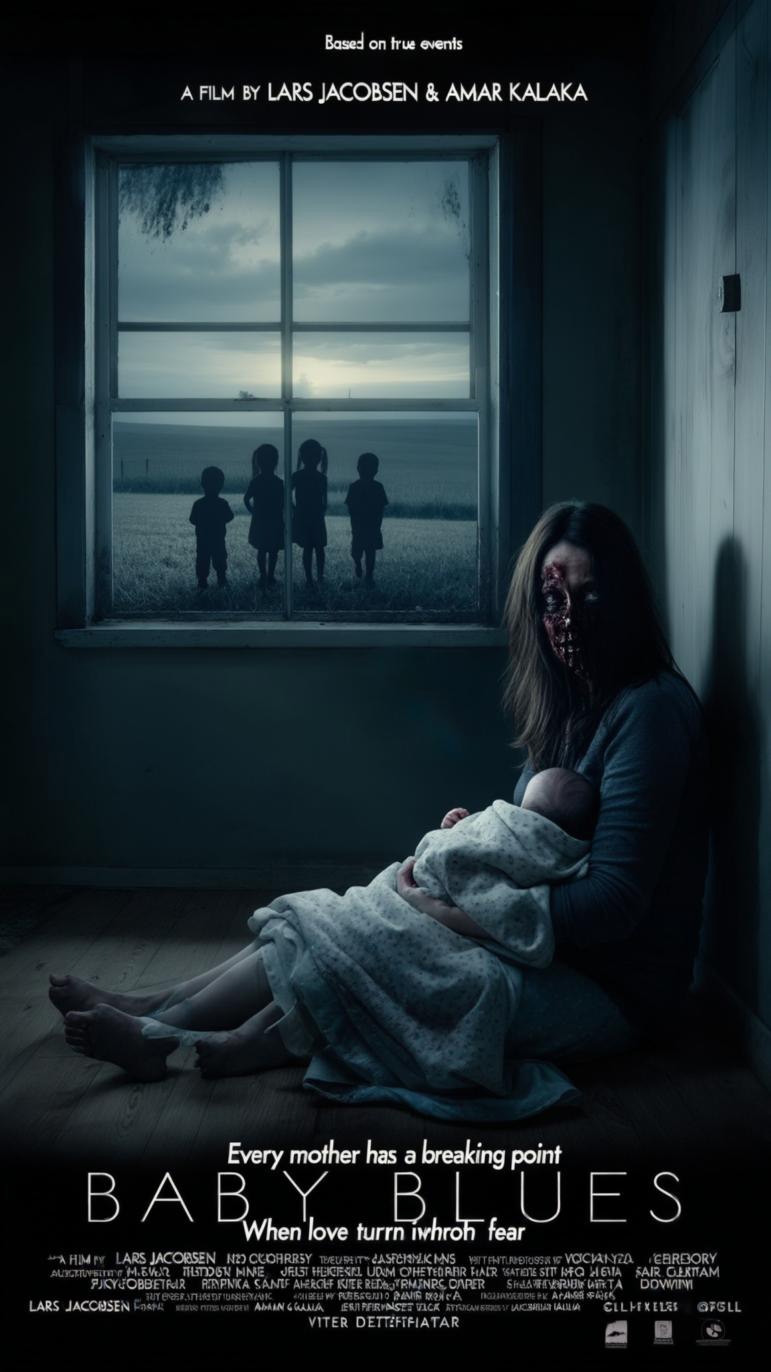
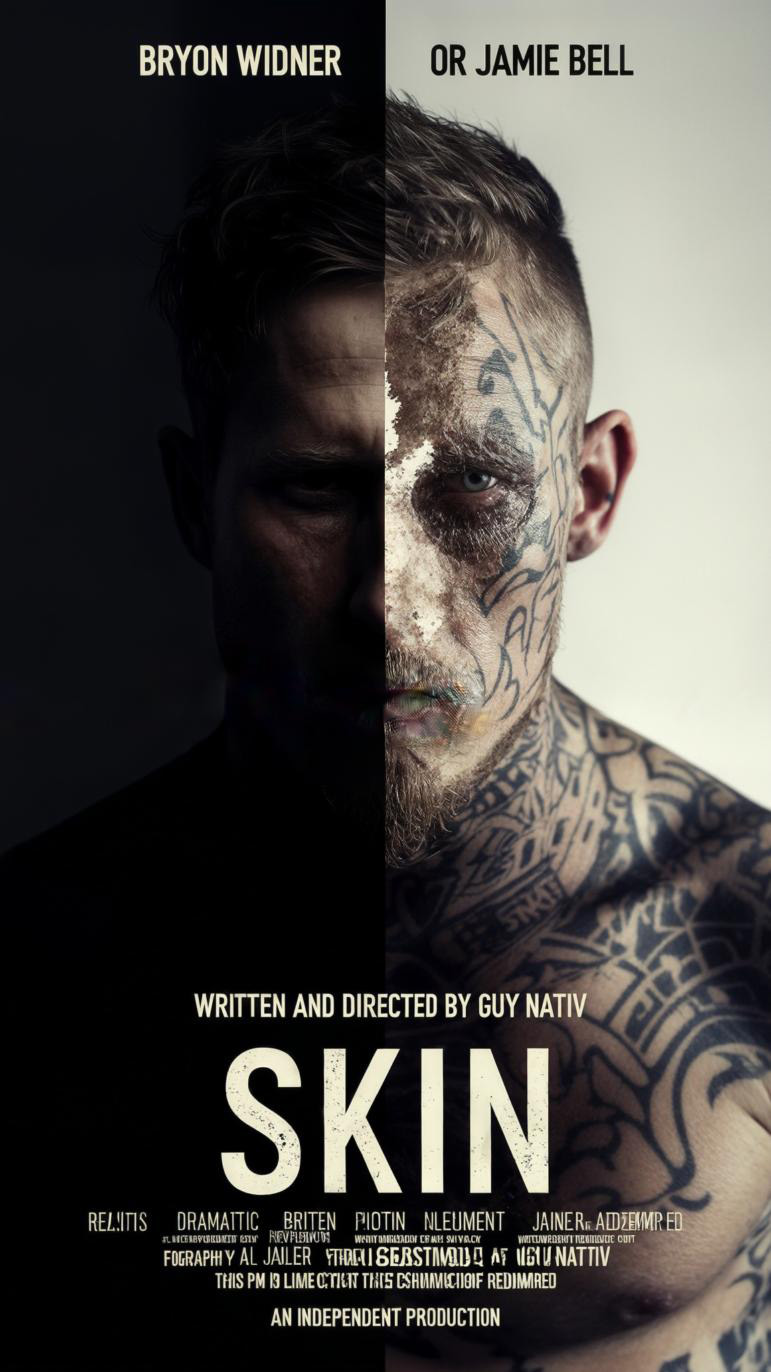
By forcing the viewer to confront the unvarnished reality of human depravity—whether exploring the inner workings of violent hate groups or the agonizing descent into postpartum psychosis—these transgressive films serve as vital, albeit disturbing, historical documents.
The Ethics of the Uncut Truth
Because radical realism deals with actual victims and documented perpetrators, these films are frequently the target of intense legal and cultural suppression. It is not uncommon for governments, local authorities, or media conglomerates to attempt to ban or heavily censor these narratives under the guise of "public decency."
| Approach |
Mainstream True Crime |
Radical Realism (Extreme Cinema) |
| Visual Representation |
Implied violence; cuts away before the impact. |
Unflinching, explicit, and unsimulated reality. |
| Narrative Focus |
The heroic investigators or the pursuit of justice. |
The psychology of the perpetrator or the terror of the victim. |
| Audience Experience |
Cathartic resolution and moral comfort. |
Sustained psychological discomfort and moral ambiguity. |
| Distribution |
Promoted heavily by major algorithmic platforms. |
Often banned, censored, or restricted to underground archives. |
At Sharing The Sickness, we believe that censoring history—even its darkest chapters—is a disservice to the truth. Our Recommended archive guarantees direct, unrestricted access to these suppressed films. We provide the uncut, unrated versions exactly as the directors intended, ensuring that the historical and psychological weight of these stories is preserved.
Frequently Asked Questions
What is Radical Realism in extreme cinema?
Radical realism refers to films that are strictly grounded in documented reality, often exploring true crime, psychological collapse, or extreme societal subcultures. Unlike Hollywood adaptations, these films refuse to sanitize or romanticize the real-world events they depict, prioritizing brutal honesty over audience comfort.
Why are the true crime films in this archive uncensored?
Many films based on notorious real-life crimes face intense legal and cultural suppression because they confront society with uncomfortable truths. Sharing The Sickness ensures these historical and cinematic documents remain available in their uncut, unrated formats to preserve their authenticity.
Do I need an account to watch the Recommended Signals?
No. All titles in the Recommended archive are accessible via embedded third-party players without signups, subscriptions, or paywalls.