
The Ultimate Inversion: When a Mother Becomes the Monster
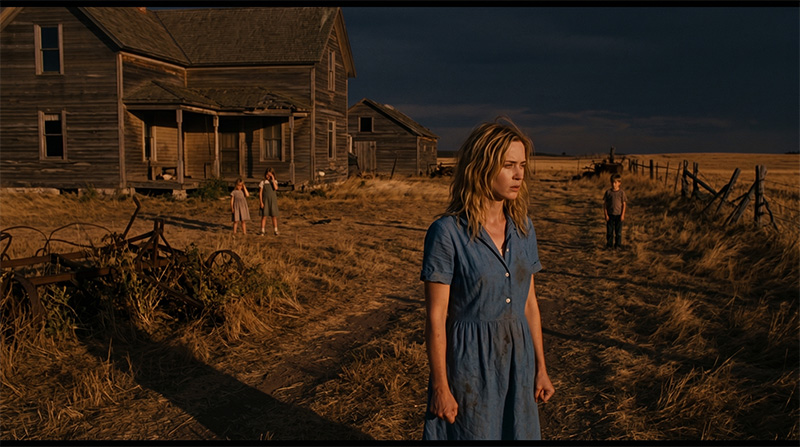
While most horror films rely on supernatural entities or masked killers, Baby Blues (2008) finds true terror in something far more disturbing — the complete disintegration of the maternal instinct. Directed by Lars E. Jacobson and Amardeep Kaleka, the film presents a clinical and merciless portrait of postpartum psychosis that feels disturbingly plausible. The bright, sun-drenched farmhouse becomes a psychological pressure cooker where love mutates into something unrecognizable and lethal.
Colleen Porch delivers one of the most chilling performances in independent horror. Her portrayal avoids cartoonish madness, instead showing a woman whose mind is quietly, systematically unraveling. The horror is not in what she does, but in the horrifying logic with which she justifies it. The film forces the audience to witness the slow erosion of the most fundamental human bond — that between mother and child.
A Clinical Study in Isolation and Collapse
The film’s greatest strength lies in its restraint. There are no jump scares or supernatural explanations. The horror is relentlessly psychological and grounded in the devastating reality of untreated mental illness. The isolation of the farm is not just a setting — it is a character. With no neighbors, no support system, and a husband frequently absent, the mother is left completely alone with her deteriorating mind and vulnerable children.
The eldest son’s perspective adds another layer of tragedy. Forced to become the protector of his younger siblings against the person who should be their ultimate guardian, he carries a burden far beyond his years. This inversion of roles creates a tension that never releases until the film’s devastating conclusion.
★ THE DIAMOND TIP: The Forensic Psychiatrists' Influence
💎 Verified Fact: The screenplay was developed after the directors consulted with forensic psychiatrists who specialize in maternal filicide cases. The film’s depiction of religious delusions, auditory hallucinations, and sudden violent impulses closely mirrors documented cases of severe postpartum psychosis. Colleen Porch prepared for the role by studying hours of interviews with women who had experienced similar psychotic breaks, resulting in one of the most disturbingly authentic portrayals of mental collapse in horror cinema.
Why Baby Blues Still Haunts Viewers
More than fifteen years after its release, the film retains its power because it feels possible. It doesn’t rely on monsters in the dark — it shows how the monster can emerge from within the safest place a child should know. For anyone who has experienced or witnessed the effects of severe postpartum depression, the film serves as a terrifying warning of what can happen when the condition is left completely untreated.
This remains one of the most uncompromising and realistic depictions of maternal horror in cinema.
Frequently Asked Questions About Baby Blues (2008)
What is Baby Blues (2008) about?
Baby Blues (2008) is a psychological horror film about a mother suffering from severe postpartum psychosis who turns against her own children, leading to a disturbing and tragic survival situation.
Is Baby Blues (2008) based on real events?
The film is inspired by real-life cases of postpartum mental breakdown, drawing from documented tragedies to create a grounded and unsettling portrayal of psychological collapse.
Why is Baby Blues (2008) considered disturbing?
The film is disturbing because it subverts the concept of maternal safety, portraying a parent as the source of danger, combined with realistic tension and emotional intensity.
What themes are explored in Baby Blues (2008)?
The film explores postpartum depression, isolation, family breakdown, mental illness, and the fragility of human stability under emotional and psychological pressure.
Who directed Baby Blues (2008)?
The film was directed by Lars Jacobson and Amardeep Kaleka, known for crafting intense, character-driven horror narratives.