
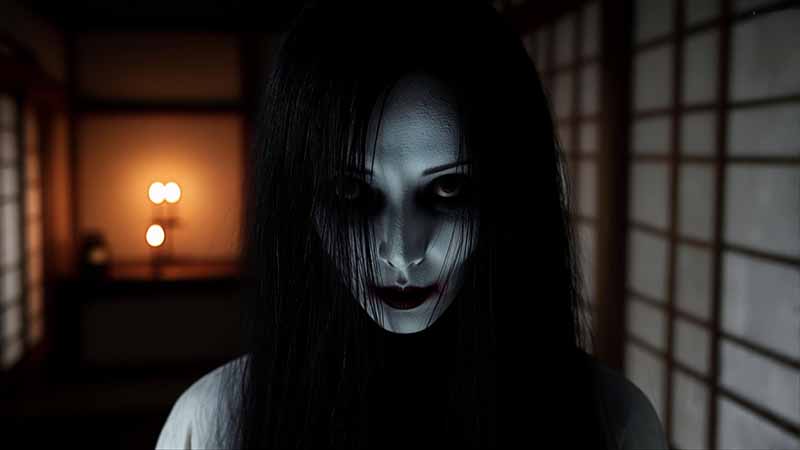
A Masterclass in Transgressive Cinema: Takashi Miike's Uncut Vision
When creator Mick Garris conceived the Masters of Horror television anthology series, the foundational premise was remarkably pure: gather the world's most accomplished horror directors, provide them with a modest budget, a one-hour runtime, and absolute creative freedom. The directors were explicitly promised complete immunity from studio interference and network censorship. Japanese auteur Takashi Miike—already a legendary, polarizing figure in extreme cinema due to unparalleled masterworks like Audition (1999) and Ichi the Killer (2001)—took this unprecedented invitation not just as a creative opportunity, but as a visceral challenge.
The resulting creation was Imprint (2006), a sixty-three-minute descent into a neon-lit, blood-soaked hell. The film juxtaposes breathtakingly beautiful, hyper-saturated cinematography with some of the most agonizing scenes of physical and psychological torture ever committed to the medium. At Sharing The Sickness, we recognize the historical importance of such unfiltered art. We proudly curate and embed this cinematic milestone exactly as it was intended to be experienced: fully uncut, uncompromised, and utterly terrifying.
The Rashomon Effect in Extreme J-Horror
At its narrative core, Imprint weaponizes the classic Rashomon storytelling structure to devastating psychological effect. The narrative follows Christopher (played with feverish, sweating eccentricity by the late Billy Drago), a 19th-century American journalist who journeys to a mysterious, fog-shrouded brothel island in Japan searching for his lost love, Komomo. Instead of the romantic reunion he envisions, he is met by a horribly disfigured prostitute (played brilliantly by Youki Kudoh) who serves as a highly unreliable narrator.
She spins multiple, conflicting accounts of what happened to the young woman, forcing Christopher—and the captive audience—to sit through shifting iterations of truth. With each retelling, Miike peels back another layer of grotesque depravity. He proves that while traditional Western horror often relies on external monsters, the deepest horrors in J-Horror stem from profound human cruelty, systemic societal abuse, and the dark, rotting secrets hidden beneath polite society.
★ THE DIAMOND TIP: The Infamous Showtime Ban
💎 Verified Fact: Imprint holds the historic and infamous distinction of being the only Masters of Horror episode to be outright banned by the Showtime network. Despite the original contractual promise of "no censorship," network executives were completely horrified upon viewing the final cut. The combination of the excruciatingly graphic needle torture sequence and deeply taboo themes—particularly those involving deformed, aborted fetuses washing down a river—was deemed far too transgressive for American television. Series creator Mick Garris fiercely defended Miike's work as a genuine masterpiece, but the network adamantly refused to broadcast it, inadvertently cementing the film's legendary status as the holy grail of underground extreme cinema.
The Hypnotic Beauty Within the Grotesque
What elevates Imprint from mere exploitation to high cinematic art is its deeply unsettling, surreal, and dreamlike atmosphere. Foregoing naturalism entirely, Miike shot the film on a highly stylized soundstage in Japan. The production utilizes hyper-real colors, eerie theatrical lighting, and claustrophobic set design to create an otherworldly purgatory. The viewer is acutely aware that this island operates completely outside the laws of normal reality. Against this striking theatrical backdrop, the film slowly transitions from a melancholic gothic romance into a waking nightmare of extreme body horror.
Practical Effects That Shatter the Psyche
In modern horror, CGI often distances the viewer from the violence on screen, acting as a digital safety net. Imprint, however, relies heavily on gruesome, tactile practical effects that trigger a profound physical and visceral reaction. The infamous "needle scene," which has since become a grueling rite of passage for extreme horror fans, is a masterclass in tension and sound design. Miike does not rely on cheap jump scares; rather, he builds dread through agonizing, suffocating anticipation.
The camera forces the audience into a state of complicity, watching the methodical destruction of human flesh while challenging the boundaries of what can be tolerated in narrative storytelling. It is this fearless commitment to transgression that makes finding an uncut embedded stream of the film a necessity for true cinephiles and scholars of extreme horror.
An Enduring Legacy of Terror
Nearly two decades after its creation, Imprint remains a vital touchstone in discussions regarding media censorship, artistic freedom, and the absolute boundaries of extreme cinema. Because of its controversial nature, locating the film in its original, unedited broadcast form can be remarkably challenging. By functioning as a dedicated indexing archive and information location tool, Sharing The Sickness ensures that this pivotal piece of horror history remains accessible. We embed high-quality links from non-affiliated third-party providers, preserving the integrity of Miike’s banned opus.
Frequently Asked Questions About Imprint (2006)
What is Imprint (2006) about?
Imprint follows an American searching for a missing woman in a remote Japanese brothel, where he uncovers a series of disturbing stories that blur truth, memory, and trauma.
Why was Imprint removed from the Masters of Horror TV series?
Showtime refused to air the episode due to its extreme content, making it one of the few entries in the series to be pulled entirely before broadcast.
What makes Imprint different from other Takashi Miike films?
While Miike is known for extreme cinema, Imprint stands out for combining grotesque imagery with layered storytelling, unreliable narration, and psychological horror.
What themes define Imprint?
Key themes include guilt, memory distortion, trauma, identity fragmentation, and the nature of truth.
Why does the story feel fragmented and contradictory?
The film intentionally presents multiple versions of events, forcing the viewer to question what is real and highlighting the instability of memory and perception.